
Introduction
Shoulder pain is a common condition that affects people of all ages and can impact daily activities such as sports, personal hygiene and dressing. It often arises from excessive movement of the shoulder joint and patients may experience pain in the shoulder that radiates down the arm. Some individuals may have occasional pain, while others may experience chronic pain that feels constant.
Symptoms
- Aching or sharp pain around the shoulder
- Numbness or weakness
- Stiff shoulder, making it difficult to move
- Abnormal shape of the shoulder, unable to lift or move the arm normally
Causes
Shoulder pain can result from various causes, including:
- Inflammation or tearing of the rotator cuff tendons: Chronic inflammation or tearing can cause pain and reduce shoulder mobility.
- Shoulder impingement syndrome: Occurs when the rotator cuff tendons are compressed, leading to pain in the front and side of the shoulder that may radiate down the upper arm.
- Frozen shoulder (adhesive capsulitis): This condition results from chronic inflammation of the shoulder capsule, leading to limited movement such as the inability to raise the arm.
- Biceps tendonitis: Pain is felt at the front of the shoulder, often occurring alongside rotator cuff tendonitis.
- Shoulder degeneration: Patients may experience pain during shoulder movement and may have pain even at rest, often resulting from injury or rheumatoid arthritis.
Physical Therapy Treatments for Shoulder Pain
1. Heat and Cold Therapy:
Helps relax tense muscles and improve flexibility.
2. Transcutaneous Electrical Nerve Stimulation (TENS):
Reduces pain and stimulates blood circulation.
3. Ultrasound Therapy (US):
Enhances blood flow and aids tissue repair.
4. Peripheral Magnetic Stimulation (PMS):
Reduces pain, relaxes muscles, and increases strength.
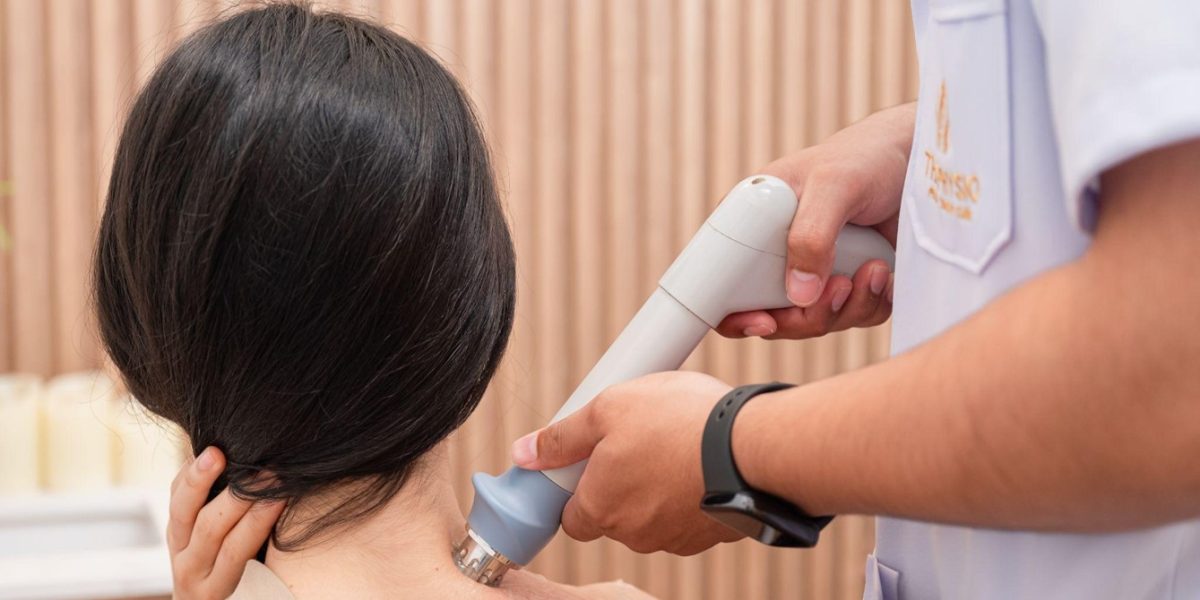
5. Shockwave Therapy (SWT):
Stimulates tissue repair and inhibits inflammation.
6. High Power Laser Therapy (HPLT):
Improves blood circulation and alleviates pain.
7. Stretching and Exercise:
Reduces tension and strengthens muscles.
8. Manual Technique:
Relieves muscle tension and alleviates pain.
9. Joint Mobilization:
Increases the range of motion of the joint and reduces tissue tension around the joint.

Frequently Asked Questions
How do I know if my shoulder pain is coming from the shoulder or somewhere else?
Shoulder pain doesn’t always originate from the shoulder joint itself. In some cases, irritation in the neck or upper spine can refer pain into the shoulder, upper arm, or even down toward the hand. During an assessment, we look at how your neck, shoulder and surrounding muscles are working together to identify the true source of the pain before starting treatment.
When should I see a physiotherapist for shoulder pain?
If your shoulder pain is affecting your sleep, daily activities, or ability to use your arm normally, it’s a good idea to have it assessed. Pain that hasn’t improved after a couple of weeks, keeps returning, or is getting worse with movement should also be checked. Early treatment often means a faster and smoother recovery.
Is it normal for shoulder pain to be worse at night?
Night pain is very common with shoulder conditions. Lying positions can increase pressure on irritated tendons or joints, and reduced movement during sleep can lead to stiffness. We can guide you on sleeping positions, pillow support, and treatment strategies to help reduce night-time discomfort.
Can I continue exercising or playing sport with shoulder pain?
That depends on the cause of your pain and how severe it is. Some movements or activities may need to be modified temporarily, while others can be continued safely. We’ll advise you on what to avoid, what’s safe to keep doing, and which exercises will actually help your recovery rather than slow it down.
Why does my shoulder feel weak even though I haven’t injured it?
Weakness can develop when pain causes muscles to switch off or stop working efficiently. This doesn’t always mean there’s a tear or serious damage. Targeted physiotherapy helps reactivate and strengthen the muscles that support the shoulder, restoring control and confidence in movement.
What happens if I ignore shoulder pain and just push through it?
Continuing to use a painful shoulder without addressing the cause can lead to ongoing irritation, increased stiffness, and compensation patterns that strain the neck and upper back. Over time, this can make the problem more difficult to treat and prolong recovery.
How long will it take before I notice improvement?
Many people notice some relief within the first few sessions, especially once pain and muscle tension start to settle. Recovery time varies depending on the condition, how long the pain has been present, and how consistently exercises are followed at home. We’ll monitor your progress and adjust treatment as you improve.