
Introduction
Hip pain can affect anyone and may present in various ways, such as difficulty bending at the hip or pain in the front, back, or side of the torso. The majority of causes stem from injuries to the muscles, tissues, or tendons surrounding the hip joint. Additionally, hip pain may arise from congenital health issues in some patients.
Symptoms
- Pain: Can be acute or chronic.
- Discomfort: Pain in the hip or leg.
- Limited Movement: Such as painful movements.
- Swelling and Warmth: There may be swelling and warmth in the hip area.
- Tingling: A sensation of tingling or discomfort may occur.
Causes
The causes of hip pain can be divided into several main categories:
1. Hip Joint Issues:
- Osteoarthritis of the hip.
- Rheumatoid arthritis of the hip.
- Hip fractures.
2. Muscle and Tendon Problems:
- Hip flexor strain.
- Muscle spasms or tears.
3. Injury-Related Problems:
- Sports injuries.
- Accidental injuries.
4. Bone Issues:
- Hip fractures.
- Femoral head fractures.
5. Balance and Movement Issues:
- Changes in movement patterns.
- Insufficient muscle stretching.
6. Medical Conditions:
- Hip labral tears.
- Infections in the hip joint or hip bone.
- Medical conditions affecting hip mobility.
7. Improper Movement Issues:
- Poor sitting posture.
- Improper lifting techniques.
8. Stress and Lifestyle Factors:
- Stress leading to muscle tension.
- Sleeping in improper positions.
Physical Therapy Treatments for Hip Pain
1. Strength and Flexibility Exercises:
1.1. Strengthening Hip Muscles: Exercises like squats, lunges, and leg raises in various positions.
1.2. Increasing Flexibility: Stretching exercises for the hip, glutes, and hip flexors.
2. Manual Technique:
Helps reduce muscle tension and alleviate pain.
3. Heat and Cold Therapy:
3.1. Cold Packs: Used initially after injury to reduce swelling and pain.
3.2. Heat Packs: Helps to relax tight muscles.
4. Electrical Stimulation (ES):
TENS (Transcutaneous Electrical Nerve Stimulation) to reduce pain and stimulate blood flow.
5. Ultrasound Therapy (US):
Enhances blood circulation, promotes tissue repair, and alleviates pain.
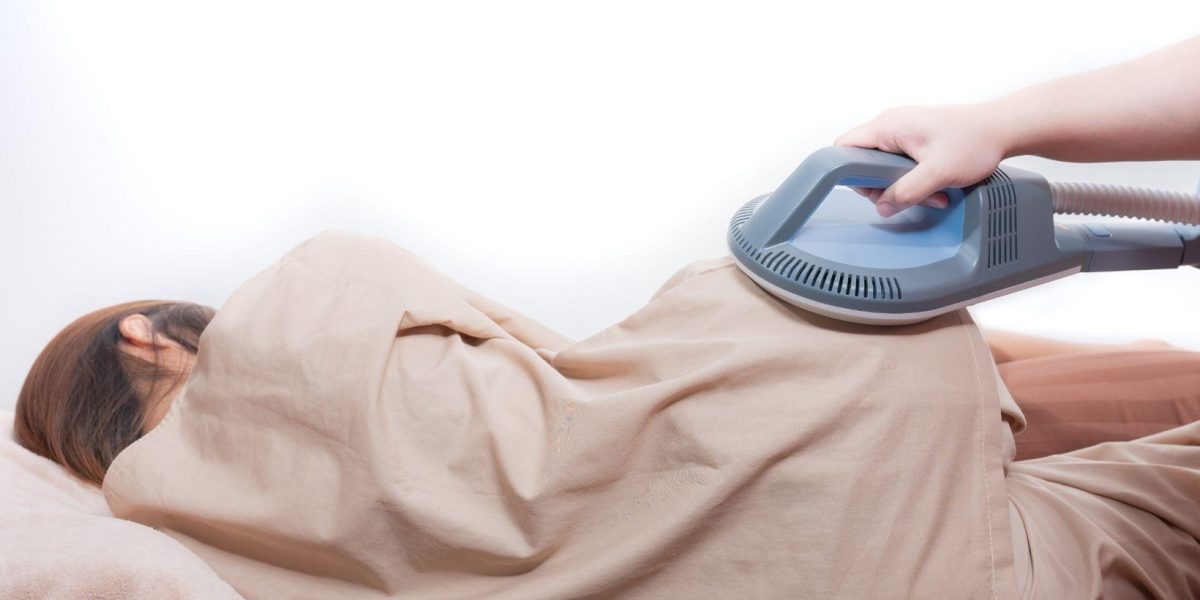
6. Peripheral Magnetic Stimulation (PMS):
Reduces pain, relaxes muscles, and increases muscle strength.
7. High Power Laser Therapy (HPLT):
Improves blood circulation and alleviates pain.
8. Posture Training:
8.1. Correct posture for sitting, standing, and lifting.
8.2. Adjusting work posture with appropriate chairs to avoid injury.
9. Movement and Balance Training:
9.1. Engaging in various movements to enhance flexibility.
9.2. Practicing balance to improve stability in controlling movements.
10. Controlled Movements:
Practicing careful movements to minimize recurrence of pain.

Frequently Asked Questions
How long does it take to recover from hip pain?
Recovery time really depends on what’s causing the pain and how long it has been present.
For muscle or tendon injuries, mild to moderate cases often improve within 1 to 4 weeks with appropriate treatment and guided exercises. More significant strains or tears may take 4 to 8 weeks or longer, particularly if there has been substantial inflammation or tissue damage.
For hip osteoarthritis, the condition itself is ongoing, but symptoms can improve significantly. Many patients begin noticing better mobility and reduced pain within 6 to 12 weeks of consistent physiotherapy and appropriate management. Long-term care usually focuses on maintaining strength, flexibility, and joint health to prevent flare-ups.
Of course, every case is different, which is why we tailor treatment to your specific condition and recovery goals.
How do I know if my hip pain is serious?
Not all hip pain is serious, but certain signs mean you should seek assessment sooner rather than later. If you’re experiencing severe pain after a fall, difficulty bearing weight, persistent night pain, unexplained swelling, fever or pain that is worsening instead of improving, it’s important to get checked. Even if your pain seems mild but isn’t resolving after a couple of weeks, early treatment can prevent it from becoming a long term issue.
Can hip pain come from my lower back?
Yes, it can and sometimes the pain that feels like it’s in the hip actually originates from the lower back or pelvis. Nerve irritation or joint stiffness in the lumbar spine can refer pain into the hip or leg. That’s why a thorough assessment is important as we don’t just treat where it hurts, we identify where the problem is coming from.
Can hip pain return after treatment?
It can, especially if underlying movement habits, posture or muscle imbalances aren’t addressed long term. That’s why we don’t just focus on pain relief and we focus on correcting the cause. With the right strengthening, mobility work and posture awareness, recurrence can often be significantly reduced.
How many sessions will I need?
The number of sessions varies depending on the cause and severity of your hip pain. Some patients with minor muscle irritation may only need a few sessions to feel significantly better. Others with chronic or long-standing issues may require a more structured treatment plan over several weeks. After your initial assessment, we’ll provide a clear plan outlining expected frequency and progress milestones so you know exactly what to expect.