
Introduction
Low back pain refers to discomfort in the lower back, including tightness in the back muscles or stiffness in the area from the lower rib cage to the buttocks. In some cases, the pain may radiate down the legs. This condition can arise from degenerative diseases and issues affecting the muscles, ligaments, bones and intervertebral discs, including the following:
- Degenerative Disc Disease: As individuals age, intervertebral discs can deteriorate, develop cracks, or lose fluid, leading to back pain. Some individuals may remain asymptomatic despite disc degeneration.
- Herniated Disc: Damage to a disc can cause it to protrude and compress nearby nerves, resulting in pain that radiates from the hip down the leg. This condition may resolve on its own as the tissues heal.
- Degenerative Osteoarthritis: Lower back pain can occur due to bone spurs caused by facet joint degeneration related to aging.
- Spondylolisthesis: Pressure on the lower back joints can cause the spine to shift forward, resulting in back pain and pain radiating to the hips and legs.
- Spinal Stenosis: Bone spurs may narrow the spinal canal. Some individuals may experience leg pain while walking, while others may show no symptoms.
- Ankylosing Spondylitis: This condition, which causes lower back pain in adolescents and young adults, can lead to stiffness and reduced movement if left untreated.
Symptoms
Low back pain can be categorized by duration:
- Acute Low Back Pain: Pain that persists for less than six weeks.
- Subacute Low Back Pain: Pain that lasts more than six weeks but less than three months.
- Chronic Low Back Pain: Pain that continues for more than three months.
Causes
Several factors can contribute to low back pain, including:
- Weak Muscles: Weakness in the core muscles and reduced stability.
- Poor Posture: Repetitive and prolonged activities, such as in office workers or athletes.
- Accidents or Injuries: Falls, improper lifting techniques, or sports-related injuries.
- Spinal Abnormalities: Including degenerative disc disease and scoliosis.
- Other Factors: Pregnancy, obesity, kidney issues, ovarian and uterine disorders, prostate problems, cancer spread and psychological factors such as stress and depression.
Physical Therapy Treatments for Lower Back Pain
Several methods can help alleviate low back pain:
1. Heat and Cold Therapy:
Cold packs can be used initially after an injury to reduce swelling and pain, while heat can help relax tense muscles.
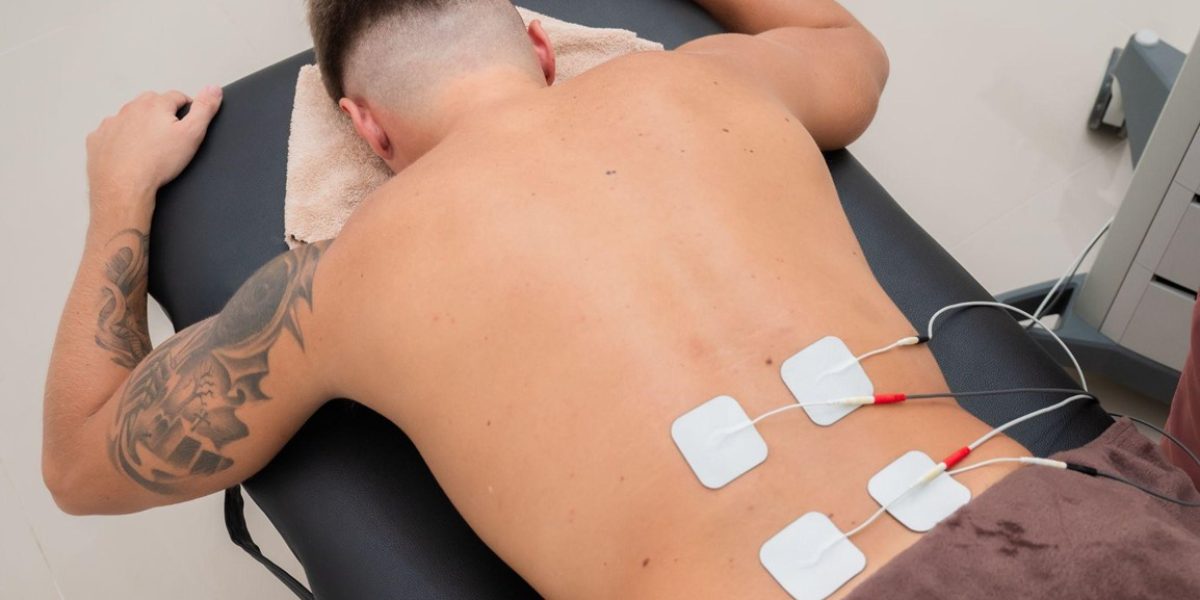
2. Electrical Stimulation (TENS):
Helps reduce pain and stimulate blood circulation.
3. Ultrasound Therapy (US):
Increases blood flow and aids in tissue repair.
4. Peripheral Magnetic Stimulation (PMS):
Reduces pain, relaxes muscles and strengthens muscle function.
5. Shockwave Therapy (SWT):
Stimulates tissue repair and reduces muscle pain.
6. High Power Laser Therapy (HPLT):
Enhances blood circulation and aids tissue repair.
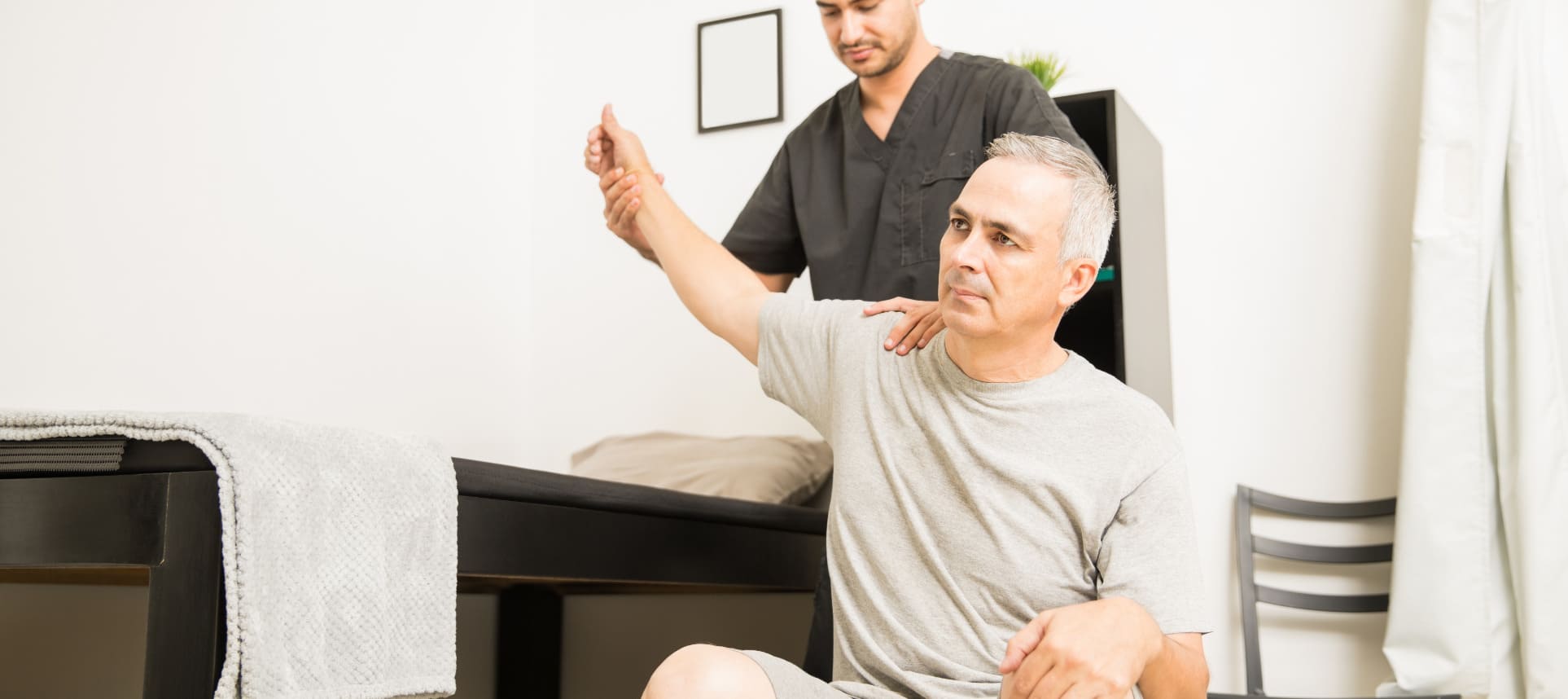
7. Stretching and Exercise:
Reduces muscle tightness and increases flexibility.
8. Manual Techniques:
Helps reduce tension and alleviate pain.
Frequently Asked Questions
When should I see a physiotherapist for lower back pain or sciatica?
If your pain isn’t settling, keeps coming back, or is starting to affect your sleep, work, or daily activities, it’s a good idea to get it checked. Even mild pain that lingers can point to an underlying issue that’s easier to manage early rather than waiting until it becomes more persistent.
Can physiotherapy help sciatica even if the pain travels down my leg?
Yes. Radiating leg pain is very common with sciatica and physiotherapy is often highly effective. Our focus is on reducing irritation around the nerve, improving movement, and restoring strength so the pressure on the nerve settles and symptoms gradually ease.
Will I be given exercises to do at home?
Yes, but they’ll be specific to your condition and stage of recovery. We keep home exercises realistic and purposeful, nothing unnecessary or overly time consuming. These exercises play a big role in speeding up recovery and helping prevent the pain from returning.
Can physiotherapy help if I’ve had back pain on and off for years?
Of course, and for long term or recurring back pain often means the underlying cause hasn’t been fully addressed. Physiotherapy focuses on restoring proper movement, improving muscle support, and addressing habits or postures that may be contributing to the ongoing issue.
What happens if my pain flares up during treatment?
Some mild soreness can happen as your body adapts, but treatment should never feel overwhelming. We monitor your response closely and adjust techniques or exercises as needed. If something doesn’t feel right, we encourage you to tell us so we can adapt your care immediately.