
Introduction
Elbow pain is an injury that often arises from excessive use or movement of the hand, wrist, or elbow. It can also frequently occur due to accidents during sports activities or daily routines. Additionally, elbow pain may result from more serious health issues such as arthritis, problems with bones, joints, tendons, or muscles.
Symptoms
Elbow pain can be categorized into three main types:
- Medial Epicondylitis (Golfer's Elbow): Pain occurs on the inside of the elbow when twisting the arm inward or flexing the wrist down, caused by inflammation of the tendons at the inner elbow.
- Lateral epicondylitis (Tennis elbow): Pain occurs on the outer part of the elbow, especially during lifting, gripping, or twisting motions.
- Posterior Elbow Bursitis: This occurs from heavy use or direct trauma to the elbow, often accompanied by swelling at the back of the elbow due to a fluid-filled sac that forms there.
Causes
Tears of the tendons around the elbow often arise from degeneration and a lack of flexibility, as well as repetitive heavy use until the body can no longer repair itself, leading to inflammation. High-risk professions include:
- Workers who use their wrists repeatedly such as painting, hammering or turning a screwdriver.
- Farmers using hoes or shovels for digging.
- Housekeepers perform tasks like washing, wringing, scrubbing or mopping.
- Computer operators who type or use a mouse for extended periods.
Physical Therapy Treatments for Elbow Pain
1. Heat and Cold Therapy:
Cold packs are applied to reduce swelling and pain after injury, while heat packs help relax tight muscles.
2. Transcutaneous Electrical Nerve Stimulation (TENS):
Reduces pain and stimulates blood circulation.
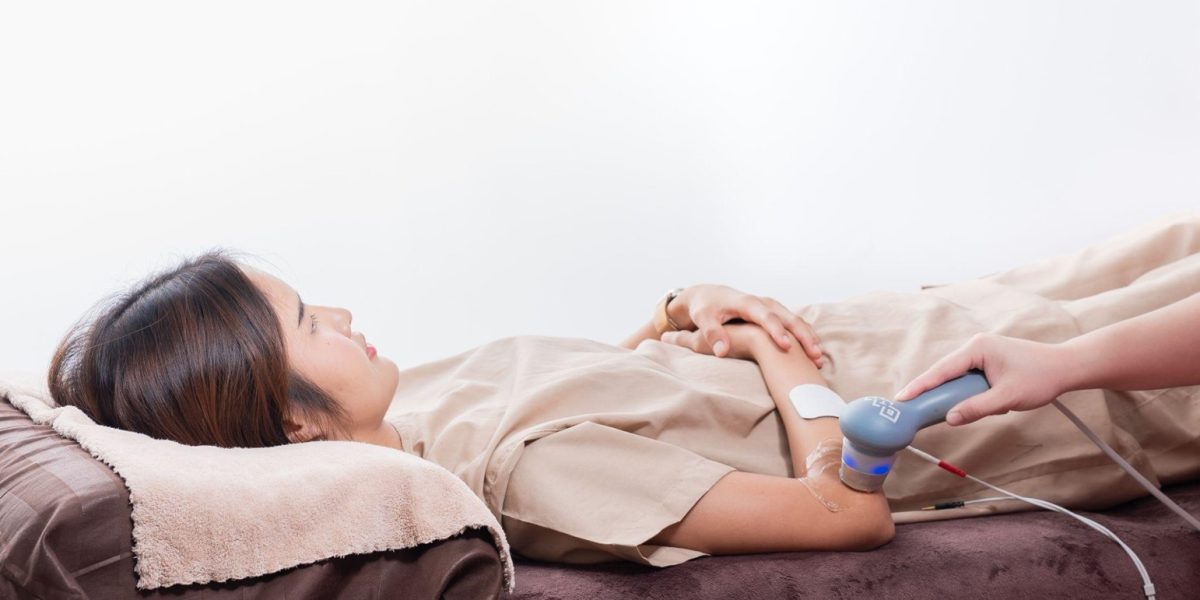
3. Ultrasound Therapy (US)
Increases blood flow and promotes tissue repair.
4. Peripheral Magnetic Stimulation (PMS):
Reduces pain and increases muscle strength.
5. Shockwave Therapy (SWT)
Stimulates tissue repair and reduces pain.
6. High Power Laser Therapy (HPLT)
Enhances blood circulation and alleviates pain.
7. Stretching and Exercise:
Helps improve flexibility and strengthen muscles.
8. Manual technique:
Relieves muscle tension and alleviates pain.

Frequently Asked Questions
How can I prevent elbow pain?
Preventing elbow pain often comes down to good preparation and avoiding overuse. Warming up properly before sport or exercise helps prepare the muscles and tendons around the elbow for activity. Regular stretching can also improve flexibility and reduce strain.
It’s equally important to use the correct technique during sports or repetitive work tasks, as poor form is a common cause of elbow problems. If your job or hobby involves repeated movements, taking regular breaks and avoiding excessive strain can make a significant difference.
How long does elbow pain take to heal?
The recovery time for elbow pain depends on the cause and how severe the condition is. In many mild to moderate cases, symptoms begin to improve within 6–12 weeks, especially with appropriate treatment and activity modification.
However, if the pain has been present for a long time or the injury is more severe, recovery may take longer. Seeking early advice and treatment can help speed up healing and reduce the risk of the issue becoming chronic.
When should I see a physiotherapist for elbow pain?
If your elbow pain has lasted more than a few days, keeps coming back or is affecting your ability to work, exercise or perform daily tasks, then it’s a good idea to get it assessed. You should also seek help if you notice increasing weakness in your grip, persistent swelling, reduced movement or pain that worsens at night. Early treatment often prevents the issue from becoming chronic and harder to manage. Even mild pain that lingers can indicate underlying strain that needs proper rehabilitation rather than rest alone.
Can elbow pain spread to my wrist or shoulder?
Yes, it can and this is because the elbow doesn’t work in isolation, it’s closely connected to the wrist and shoulder. When the elbow is painful or weak, other areas often compensate, which can lead to additional discomfort. Similarly, poor shoulder control or wrist mechanics can contribute to elbow strain in the first place. That’s why we assess the entire upper limb, not just the painful area to ensure a complete and lasting recovery.
Why does my elbow pain keep coming back?
Recurring elbow pain is often linked to underlying muscle imbalances, poor movement patterns or returning to activities too quickly. Simply treating the pain without correcting the cause can lead to repeated flareups. Our approach focuses on addressing strength deficits, flexibility issues and technique problems so that the joint can tolerate load properly. Education and long term self-management strategies are just as important as hands on treatment.